Sunday Funday!
Starting seeds, potting up seedlings, and setting up a grow room can turn a simple Sunday into a rewarding day full of growth and anticipation. Whether you are a beginner or have some experience, these steps are essential for a successful gardening season. This guide breaks down the process into manageable parts, helping you create a thriving environment for your plants from the very beginning.
Preparing to Start Seeds
Starting seeds indoors gives you control over the early stages of plant growth. It allows you to get a head start before the outdoor growing season begins. Here’s what you need to know to get started:
Choose quality seeds: Select seeds suited to your climate and growing conditions. Look for fresh seeds with a high germination rate.
Use the right containers: Seed trays, small pots, or even recycled containers with drainage holes work well. Soil-blocking is an advanced technique that saves on plastic usage.
Select a good seed-starting mix: Use a light, well-draining soil mix designed for seedlings. The addition of vermiculite to the soil mix helps retain moisture and improve drainage.
Provide warmth and moisture: Seeds need warmth to germinate, usually between 65°F and 75°F. Keep the soil moist but not soggy.
Plant your seeds according to the depth recommended on the seed packet. Cover lightly with soil and mist with water to avoid disturbing the seeds.

Potting Up Seedlings
Once your seeds sprout and develop their first true leaves, it’s time to pot them up. This means moving seedlings to larger containers to give their roots more room to grow.
Choose pots that are 2-3 inches larger than the seedling tray cells. This gives roots space to expand without overwhelming the plant.
Handle seedlings gently: Use a small tool or your fingers to lift seedlings by their leaves, not stems, to avoid damage.
Use fresh potting soil: Fill the new pots with a nutrient-rich potting mix that drains well.
Plant seedlings at the same depth they were growing before. Firm the soil gently around the roots.
Water thoroughly after potting up to help settle the soil and reduce transplant shock.
Potting up strengthens seedlings by encouraging root growth and prepares them for eventual outdoor planting or moving to a grow room.



Setting Up a Grow Room
A grow room provides a controlled environment for plants to thrive, especially when outdoor conditions are not ideal. Setting one up requires attention to light, temperature, humidity, and ventilation.
Choose a suitable space: A spare room, closet, or tent can work. Ensure it can be darkened and ventilated.
Lighting: Use grow lights that provide the right spectrum for plant growth. LED lights are energy-efficient and produce less heat.
Temperature control: Maintain temperatures between 65°F and 80°F depending on the plant type. Use heaters or fans as needed.
Humidity: Most seedlings prefer humidity levels around 50-70%. Use a humidifier or mist plants to maintain moisture.
Ventilation: Good airflow prevents mold and strengthens plants. Use fans to circulate air and exchange fresh air regularly.
Shelving and organization: Arrange plants on shelves or tables to maximize space and light exposure.

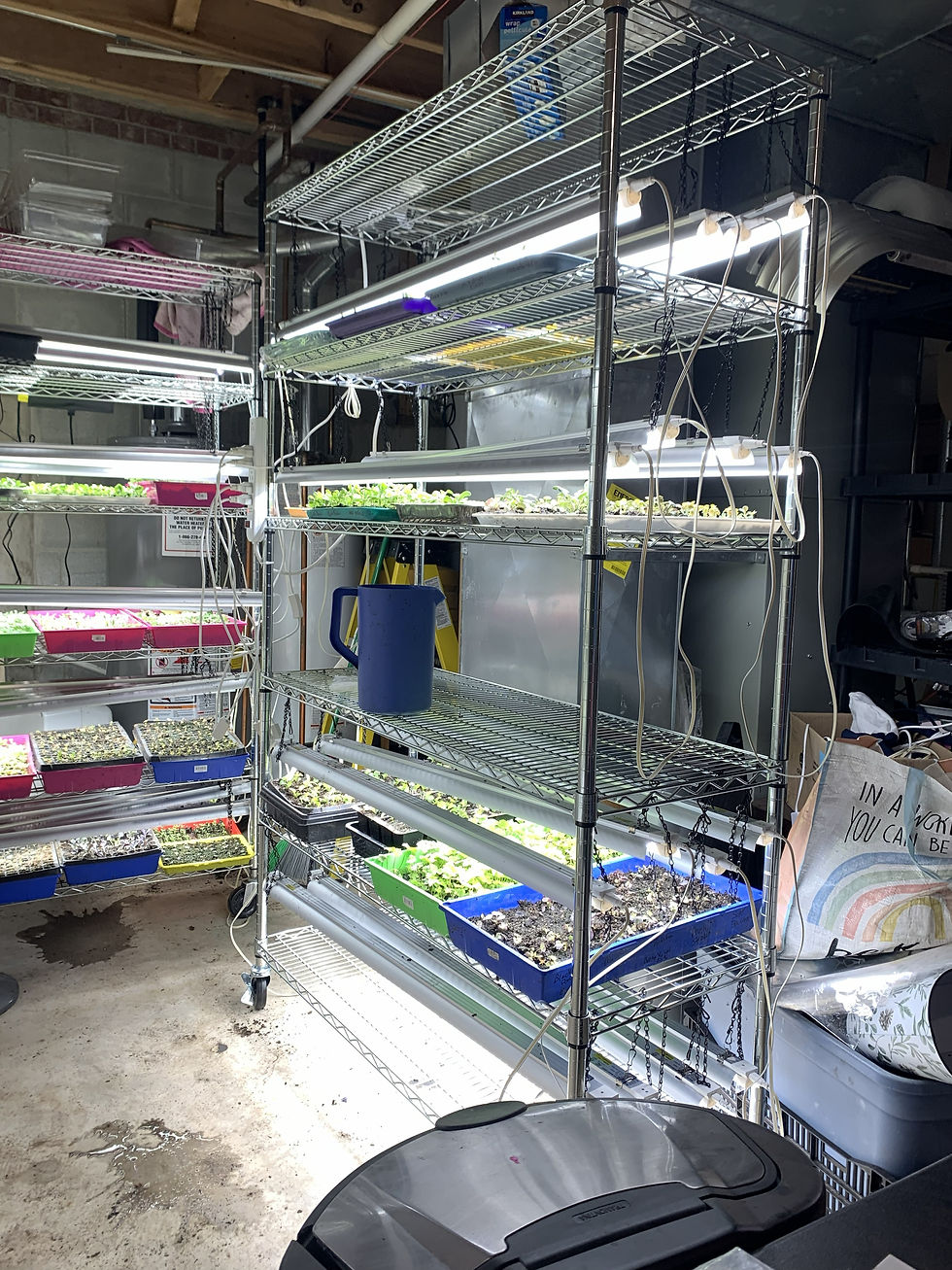
Regularly monitor your grow room conditions and adjust as plants grow. This setup helps seedlings develop strong roots and healthy foliage.
Tips for Success
Label your seedlings to keep track of different varieties.
Keep a watering schedule to avoid over or underwatering.
Rotate seedlings under lights to promote even growth.
Harden off seedlings before moving them outdoors by gradually exposing them to outside conditions over a week.

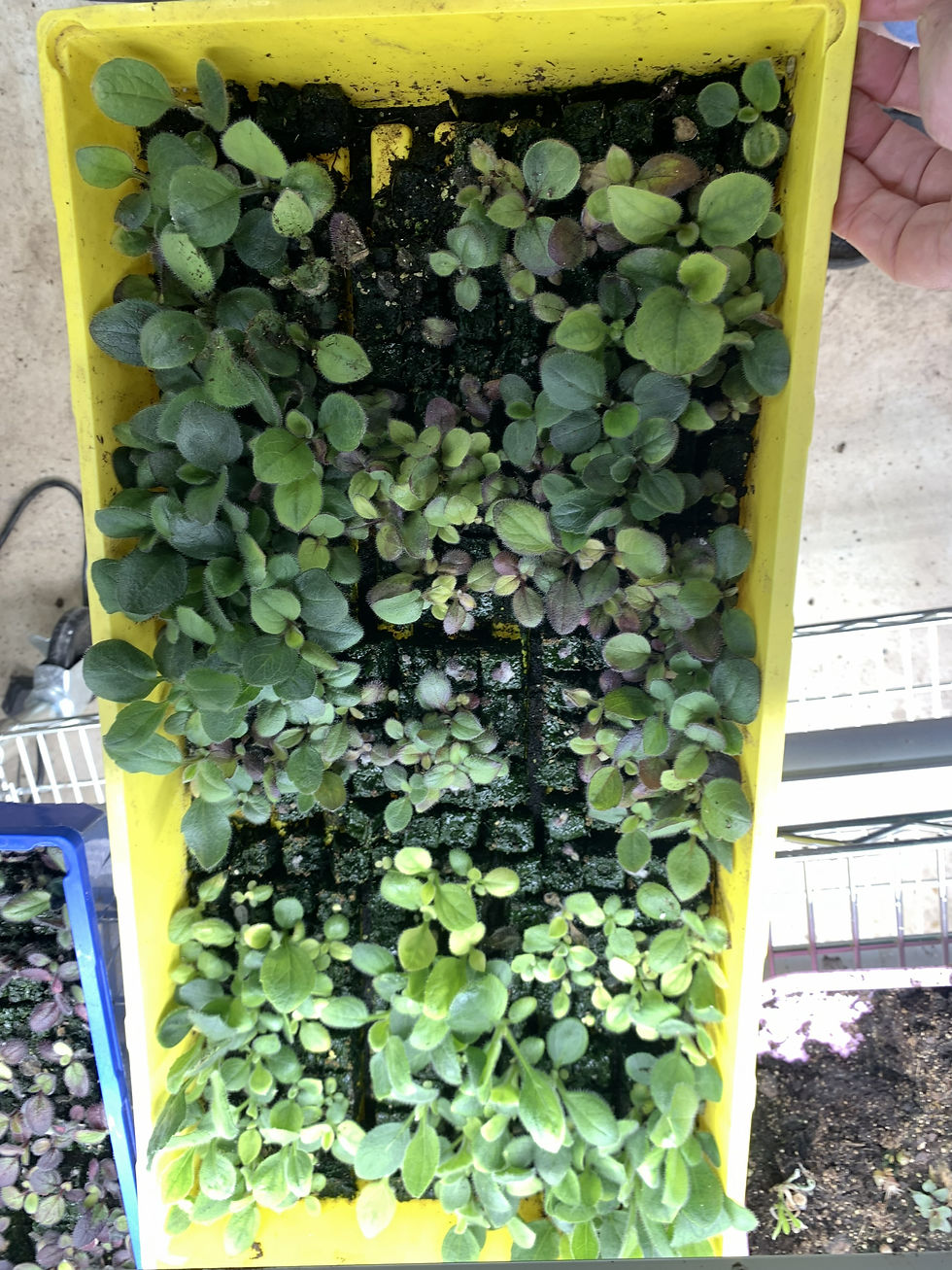
The cutest little geranium seedlings! It's fun to start seeds for your landscape or your pots.


Comments